-
By Derek Duckworth
- March 2, 2026
- 0 Comments
- Chat Room News
The Rise and Fall of Chatroulette:
(And the Night Merton Broke the Internet)
From a viral sensation to a digital ghost town, discover the wild history of Chatroulette and why World of Chat is the modern, moderated alternative for real connections.
Before TikTok transformed live streaming into a global phenomenon, before Omegle became a household name, and before talking to strangers through your webcam felt normal, there was Chatroulette. This simple web platform changed how people thought about random connection on the internet.
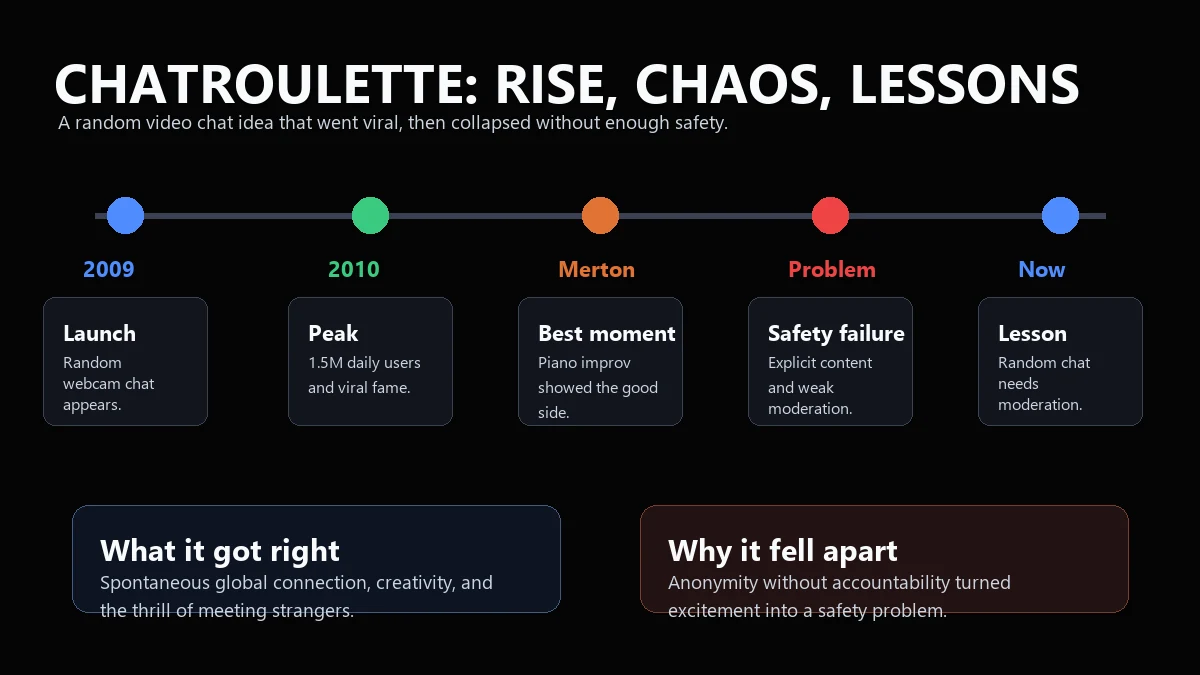
Chatroulette exploded onto the scene in 2009. A Russian teenager created it in his bedroom. Within months, millions of people worldwide were clicking that blue “Next” button. They hoped to meet someone interesting on the other side of their camera.
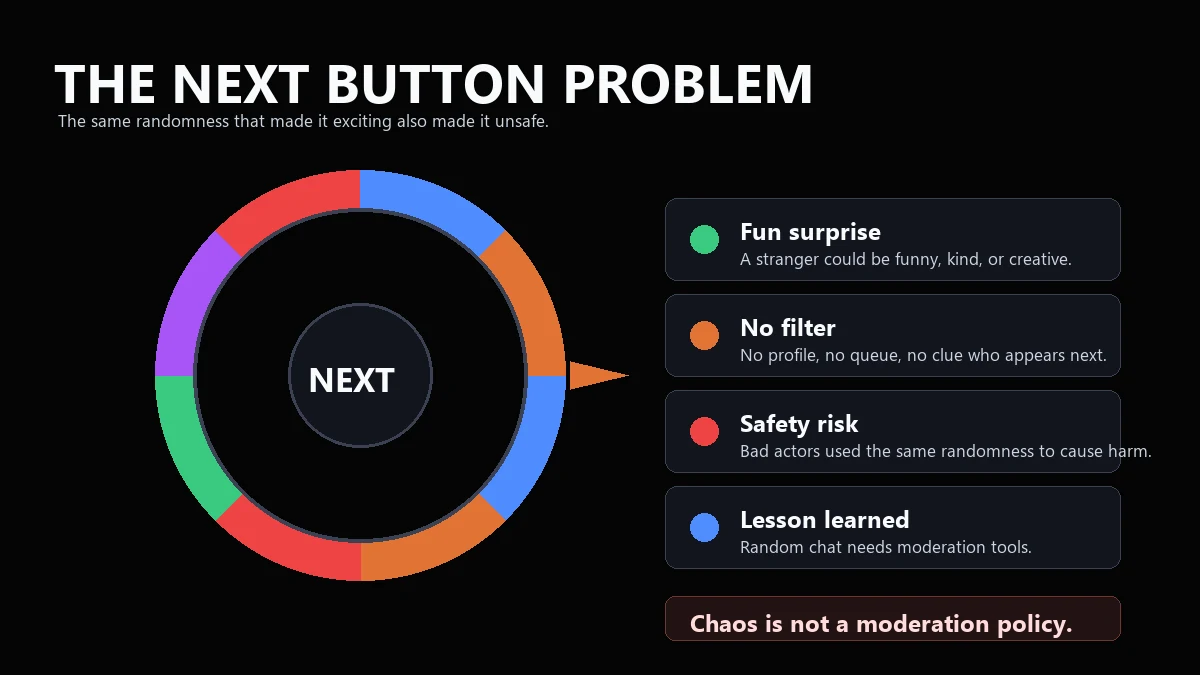
The concept was beautifully simple. You opened your browser. You allowed access to your webcam. Then you were instantly connected to a complete stranger somewhere in the world. If you didn’t like what you saw, you clicked “Next” and moved to another person. The randomness was the entire point.
This was the wild west of the early internet. No algorithms decided who you met. No profiles filtered your options. Just pure, unfiltered human connection through video chat. The platform represented something raw and exciting about online interaction.
The Magic of Early Chatroulette
The unpredictability made Chatroulette electric. You could be talking to a student in Tokyo one second, then a musician in Brazil the next. Geographic boundaries disappeared. Time zones became irrelevant. The world felt smaller and more connected than ever before.
Real-time video connection wasn’t common in 2009. Skype existed, but you needed to know someone’s username. FaceTime was still a year away. Facebook video chat didn’t exist yet. Chatroulette offered something completely new: spontaneous face-to-face conversation with random strangers across the world.
The platform captured a cultural moment. Traditional social media required friend requests and profile building. Chat rooms were text-based and often anonymous. But Chatroulette forced you to show your face. It demanded immediate, authentic interaction. There was no time to craft the perfect response or choose a flattering photo.
People discovered the joy of unexpected connection. A lonely person in Sweden might brighten someone’s day in Australia. Language barriers sometimes made conversations impossible, but people found creative ways to communicate. They used gestures, drawings, Google Translate, or simply shared music through their speakers.
The thrill came from not knowing who would appear next. Would it be someone fascinating? Someone funny? Someone who spoke your language? Every click of that button was like opening a gift. Sometimes disappointing, occasionally magical, always surprising.
Did You Know? At its peak in early 2010, Chatroulette attracted over 1.5 million users daily. The platform became so popular that celebrities and media personalities started using it, further fueling its viral growth across social media and traditional news outlets.
When Merton Sat at the Piano and Made the Internet Smile
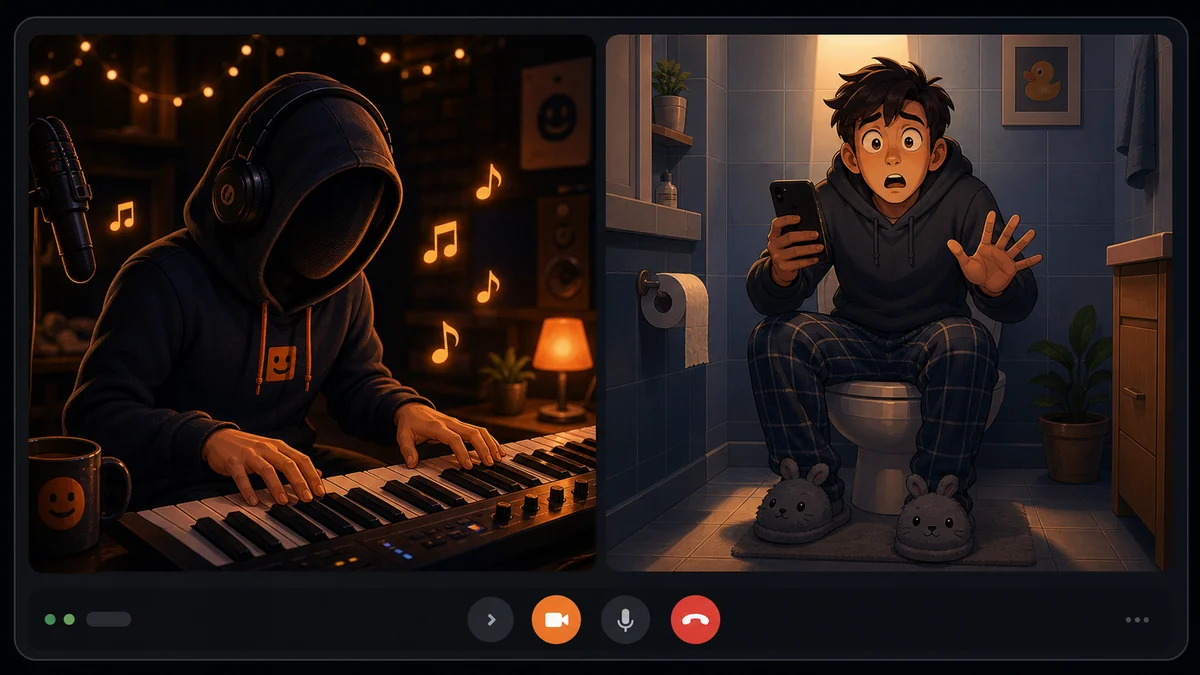
Ben Folds was already famous. But a mysterious piano player using the name “Merton” showed what Chatroulette could become at its absolute best. This anonymous performer sat at his keyboard and did something remarkable. He improvised songs about the random people he met on the platform.
Merton’s approach was simple but brilliant. When a new stranger appeared on his screen, he would immediately start playing piano and singing about them. He described their appearance, their room, their reactions. He turned awkward webcam encounters into spontaneous musical comedy. The songs were clever, kind, and genuinely funny.
The reactions were priceless. Strangers went from confused to delighted in seconds. They laughed. They applauded. Some sang along. Others sat in stunned amazement. These weren’t scripted moments. They were authentic human responses to unexpected creativity pouring through their webcam.
Videos of Merton’s performances went viral across YouTube and social media. Millions watched as he transformed random video chat into improvisational art. People shared the clips endlessly. News outlets covered the phenomenon. Celebrities tried to find him on the platform. Everyone wanted their own Merton moment.
Merton proved something important about Chatroulette. The platform wasn’t just for shock value or mindless clicking. It could facilitate genuine human moments. It could spark creativity. It could bring strangers together through spontaneous artistic expression. For a brief, shining period, Merton showed the internet what was possible when people used random video chat with good intentions.
His performances represented the best-case scenario. They demonstrated that strangers connecting through webcams could create something beautiful together. The randomness that made Chatroulette unpredictable also made it a canvas for spontaneous human connection. Merton turned that canvas into art.
What Made Merton Special
- Genuine musical talent and improvisation skills
- Kind, inclusive approach to every stranger
- Spontaneous creativity that couldn’t be faked
- Authentic reactions from unsuspecting participants
- Proof that webcam chat could be wholesome
The Cultural Impact
- Millions of views across social media platforms
- Mainstream media coverage worldwide
- Inspired countless imitators and tributes
- Showed creative potential of random video chat
- Became defining moment in Chatroulette history
Experience the Magic of Modern Video Chat
While Chatroulette’s golden era has passed, the spirit of spontaneous connection lives on. Today’s video chat platforms combine that same excitement with better safety features and active moderation. Discover how random video chat has evolved.
The Problem Nobody Could Ignore
The magic didn’t last long. Within months of achieving viral fame, Chatroulette faced a crisis that would ultimately destroy its reputation. The platform’s core feature became its fatal flaw. Complete anonymity with zero accountability created an environment where inappropriate behavior flourished.
Explicit content became increasingly common. Users exposing themselves appeared with disturbing frequency. What started as occasional shock encounters became the dominant experience for many users. The randomness that once felt exciting now felt like Russian roulette of a different kind.
People stopped using Chatroulette for genuine connection. Instead, they developed defensive habits. Users kept their finger hovering over the “Next” button. They clicked away instantly at any sign of inappropriate behavior. The platform became less about meeting strangers and more about avoiding disturbing content.
Women and younger users abandoned the platform first. They faced disproportionate amounts of explicit content and harassment. The user base skewed heavily male. This created a negative feedback loop. Fewer genuine users meant higher concentrations of inappropriate behavior. Higher concentrations drove away even more people.
Media coverage shifted dramatically. Articles that once celebrated Chatroulette’s innovative approach to connection now warned parents about its dangers. The platform became synonymous with internet exhibitionism. News stories focused on the worst-case scenarios. The wholesome moments like Merton’s performances got buried under negative headlines.
Safety Concerns: By mid-2010, studies estimated that nearly 15% of Chatroulette connections involved inappropriate explicit content. This statistic varied by time of day but remained consistently problematic across all usage periods, making the platform increasingly unsafe for general audiences.
Why It Fell Apart
Chatroulette’s creator was just a teenager when he built the platform. He couldn’t have anticipated the scale or speed of its growth. More importantly, he didn’t have the resources to implement effective moderation tools. The platform scaled from thousands to millions of users in weeks. Its safety infrastructure couldn’t keep pace.
No proper moderation systems existed. There was no way to report users effectively. Bans were easy to circumvent. Someone kicked off the platform could return immediately with a different IP address. The lack of consequences meant bad actors faced no real deterrents.
The viral growth that made Chatroulette famous also destroyed it. Media attention attracted millions of curious users. But it also attracted people specifically seeking unmoderated space. Anonymous video chat with no rules became a magnet for exhibitionists and trolls.
Traditional brands and advertisers wouldn’t touch the platform. Brand safety concerns made monetization nearly impossible. Without revenue, there was no funding for sophisticated moderation technology or support teams. The platform became trapped in an impossible situation.
Parents and advocacy groups raised alarms. Schools blocked access to Chatroulette. Network administrators added it to blacklists. The platform gained a reputation that made it radioactive. Even users who wanted legitimate connections stopped visiting because they didn’t want to be associated with its reputation.
Trust collapsed completely. The platform that once represented exciting spontaneity now symbolized internet dangers. Articles and segments warned about Chatroulette specifically. It became the cautionary tale that parents used to explain internet risks. Recovery from that reputation proved impossible.
Key Failure Points
- No effective content moderation technology
- Impossible to enforce bans or consequences
- Viral growth outpaced safety infrastructure
- Zero revenue for platform improvements
- Complete loss of public trust and reputation
- Media coverage shifted entirely negative
- Inability to attract legitimate advertisers
Modern Video Chat Has Solved These Problems
Today’s random video chat platforms learned from Chatroulette’s mistakes. They implement AI-powered moderation, verified user systems, instant reporting tools, and active human moderators. Experience random connection with the safety features that Chatroulette never had.
What Chatroulette Got Right
Despite its spectacular downfall, Chatroulette deserves credit for genuine innovation. It was the first truly viral random video platform. Before Chatroulette, video chat required you to know someone’s contact information. The concept of instant random video connection was revolutionary.
The platform proved that strangers wanted to connect. It demonstrated an appetite for spontaneous human interaction that nobody knew existed. Millions of people actively chose to turn on their webcams and meet random individuals. This behavior changed how we think about online social interaction.
Chatroulette created a cultural experiment in anonymity. It showed both the best and worst of human behavior when people feel anonymous. The Merton moments proved people could be creative, kind, and generous with strangers. The platform’s downfall proved they could also be destructive without accountability.
Its influence on later platforms cannot be understated. Omegle expanded on the concept. Video chat features became standard across social media. TikTok Live borrowed elements of random connection. Discord and other community platforms integrated video chat rooms. Modern streaming culture owes a debt to what Chatroulette pioneered.
The platform demonstrated that geography no longer limited social connection. A teenager in rural America could talk face-to-face with someone in urban China. Language barriers still existed, but the human element transcended words. People found ways to communicate through expressions, music, and creativity.
- First viral random video chat platform
- Proved demand for spontaneous connection
- Zero barriers to global communication
- Inspired countless similar platforms
- Changed expectations for online interaction
- Demonstrated creative potential of webcams
Chatroulette’s Innovations
- Influenced modern streaming culture
- Normalized video chat with strangers
- Created memes and viral moments
- Shaped internet safety discussions
- Proved importance of moderation
- Inspired safer platform alternatives
Lasting Cultural Impact
The Bigger Question: Can Random Video Chat Ever Work?
The moderation problem remains central to any random video chat platform. How do you protect users without destroying the spontaneity that makes random connection exciting? This question has shaped the evolution of every platform that followed Chatroulette.
Anonymity versus accountability creates an inherent tension. Complete anonymity encourages bad behavior. But requiring full identity verification kills spontaneity. Modern platforms attempt to find middle ground. They use techniques Chatroulette never had available.
AI moderation today is vastly more sophisticated than in 2010. Machine learning algorithms can detect inappropriate content in real-time. They can identify patterns of behavior that suggest problems. Modern systems catch violations that would have gone unnoticed on early Chatroulette.
Human moderators complement automated systems. Platforms now employ teams specifically to review reports and monitor video chat rooms. This combination of AI and human oversight creates multiple layers of protection. Users can report problems instantly. Consequences for violations happen quickly.
Geographic and age-based matching helps reduce problems. Platforms can connect people from similar regions or age groups. This reduces cultural misunderstandings and inappropriate age interactions. Users can set preferences that balance randomness with basic safety parameters.
Was Chatroulette simply ahead of its time? Perhaps. The core concept of random video connection wasn’t flawed. The execution and lack of safety infrastructure made it unsustainable. With today’s technology and understanding of online behavior, the dream Chatroulette represented might actually work.
The technology exists today to create what Chatroulette promised but couldn’t deliver. AI moderation catches problems in seconds. Users can instantly report and block others. Platforms can enforce bans across devices. The tools needed for safe random video chat now exist.
Common Questions About Chatroulette
What happened to Chatroulette?
Chatroulette still exists but operates with a tiny fraction of its original user base. The platform peaked in early 2010 with over 1.5 million daily users. Today, it struggles with reputation damage from its unmoderated past. Most users migrated to alternative video chat sites with better safety features and active moderation. The original magic disappeared as inappropriate content drove away legitimate users seeking genuine connection.
Is Chatroulette still active?
Yes, Chatroulette remains technically active and accessible through its website. However, the user experience has dramatically changed. The platform implemented some moderation systems after its initial collapse. Current usage numbers are not publicly available but are estimated to be less than 5% of peak levels. Many users now prefer modern alternatives like Joingy, Omegle, or Only2Chat that offer improved safety features, better moderation, and more reliable connections to real people interested in conversation.
Why was Chatroulette controversial?
Chatroulette became controversial due to widespread inappropriate explicit content and lack of moderation. Studies in 2010 found that approximately 15% of random connections involved explicit behavior. The platform’s complete anonymity with zero accountability created an environment where exhibitionism flourished. Media coverage shifted from celebrating innovation to warning parents about dangers. The controversy centered on child safety concerns, exposure to explicit content without warning, and the platform’s inability to enforce any meaningful consequences for violations. This reputation ultimately destroyed mainstream adoption.
Who was Merton on Chatroulette?
Merton was an anonymous piano player who became famous for improvising songs about random strangers he met on Chatroulette. His performances went viral across YouTube and social media in early 2010. Merton would instantly compose clever, kind songs describing whoever appeared on his screen. The genuine reactions and spontaneous creativity represented everything right about random video chat. His performances proved the platform could facilitate authentic human moments and artistic expression. Many considered Merton the best example of Chatroulette’s potential before inappropriate content took over.
Are there safer alternatives to Chatroulette?
Yes, numerous safer alternatives exist today with significantly better moderation. Platforms like Joingy, Only2Chat, and others learned from Chatroulette’s failures. They implement AI-powered content moderation that catches violations in real-time. These sites offer instant reporting tools, active human moderators, and geographic or interest-based matching options. Modern video chat platforms combine the excitement of random connection with safety infrastructure that simply didn’t exist in 2010. Users can experience spontaneous webcam conversations with dramatically reduced risk of encountering inappropriate content.
A Platform of Two Extremes
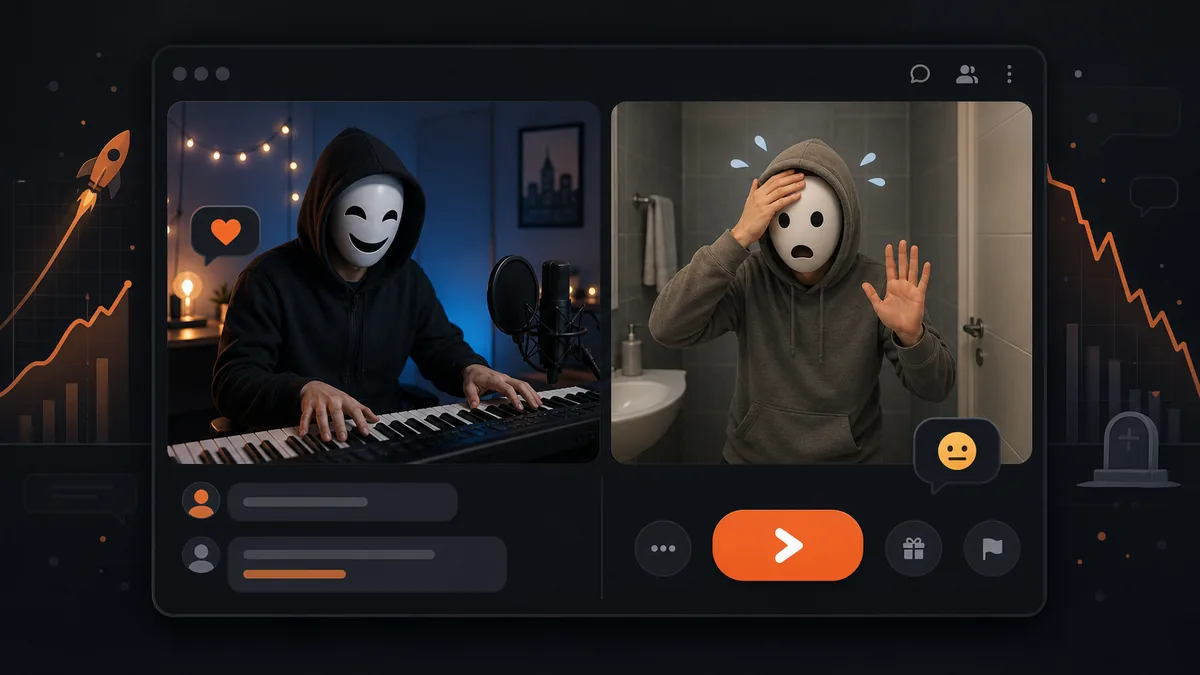
Chatroulette was wholesome creativity and internet chaos existing simultaneously. It represented both the best and worst of human behavior. The platform created spontaneous moments of genuine connection while also exposing the darkest corners of anonymous interaction.
It was cultural lightning in a bottle that nobody could sustain. The same randomness that made connections exciting also made them dangerous. The same anonymity that encouraged authenticity also enabled abuse. These contradictions were always present. They simply became more obvious as the platform scaled.
The lack of control ruined what could have been revolutionary. Chatroulette proved that millions of people wanted spontaneous video connection with strangers. It demonstrated the hunger for authentic human interaction beyond curated social media profiles. But without proper safeguards, that hunger couldn’t overcome the platform’s safety problems.
For a brief moment, though, Chatroulette showed what the internet could be. It captured the spirit of early web culture: spontaneous, creative, genuinely human. Merton sitting at his piano, improvising songs for delighted strangers, represented everything the platform promised. Those moments proved that technology could bring people together in meaningful ways.
Before the darker side took over, Chatroulette demonstrated that strangers across the world wanted to connect. They wanted to share experiences, learn about different cultures, and have authentic interactions. That desire hasn’t disappeared. It simply migrated to platforms that learned from Chatroulette’s mistakes.
The legacy lives on in every video chat platform today. The lessons learned from Chatroulette’s rise and fall shaped how we approach random connection online. Modern platforms balance spontaneity with safety. They preserve the magic while implementing the protections that Chatroulette never had. The dream didn’t die. It just evolved into something more sustainable.
Ready to Experience Random Video Chat Done Right?
The spirit of Chatroulette’s best moments lives on in modern video chat platforms. Today’s sites combine spontaneous connection with AI moderation, instant reporting, and active safety measures. Discover how random video chat has evolved since 2010. Experience the magic without the risks that defined Chatroulette’s downfall.