Free Support • No Registration

Dementia Support Chat:
Connect, Share & Support

Join a safe and welcoming space for those living with dementia and their caregivers. Connect with others who understand your journey in our supportive UK community.

Support Live
UK
Type a message...
Dementia & Carer Support Chat Rooms connecting isolated carers through online community

Caring for someone with dementia can be one of the most emotionally exhausting experiences. The day-to-day responsibility weighs heavy. You watch someone you love slowly change. Sleep becomes rare. Friends drift away because they do not understand.

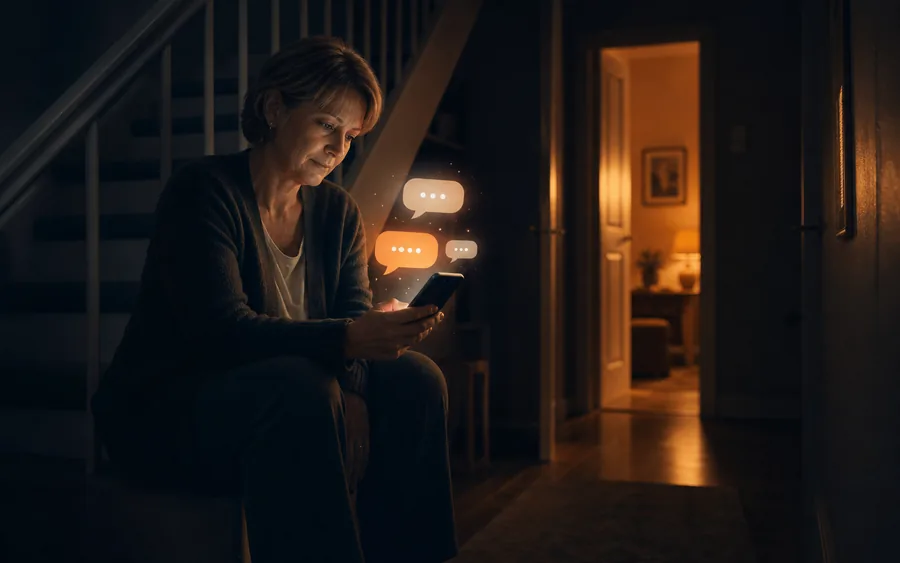
Many carers feel completely alone. This isolation grows quietly. It happens at three in the morning when questions flood your mind. It happens during difficult moments when no one else is there.

Online chat rooms offer something different. They provide immediate human connection. Real people who understand what you are going through. Support when you need it most. Not medical advice or clinical solutions. Just real conversation with others who truly get it.

Why Carers Often Feel Isolated

Carer experiencing isolation while caring for person with dementia at home

The responsibility of caring for someone with dementia never stops. It runs twenty-four hours every single day. This constant demand creates a unique type of isolation that others struggle to understand.

Your social circles start to shrink. Friends stop calling as often. Invitations become rare. People mean well but they cannot grasp the daily reality. Conversations feel shallow when your life revolves around care needs and health concerns.

The Weight of Constant Responsibility

Sleep disruption becomes normal. You wake multiple times each night. The person you care for may wander or become confused. Your own rest takes second place to their safety and needs.

Emotional burnout creeps in slowly. Some days feel overwhelming. You love the person you care for deeply. Yet frustration builds when the same questions get asked repeatedly or behaviors become challenging.

Guilt and Unspoken Struggles

Many carers feel guilty for experiencing frustration. Society expects endless patience and selflessness. These unrealistic expectations create additional emotional burden. You cannot talk about the hard moments without feeling judged.

The isolation compounds when family members do not share the load equally. One person often carries most of the responsibility. Others may offer occasional help but do not understand the day-to-day mental and physical toll.

Daily Care Demands

The constant needs create a cycle where carers cannot maintain their previous social connections or personal time.

  • Managing medication schedules and health appointments
  • Assisting with personal care and daily activities
  • Monitoring safety throughout day and night
  • Handling behavioral changes and confusion

Social Connection Loss

Relationships outside the caring role gradually fade as time and energy become completely consumed by responsibilities.

  • Missing social events and gatherings
  • Struggling to maintain friendships
  • Losing shared activities and hobbies
  • Feeling misunderstood by others

Emotional Toll

The psychological impact of witnessing dementia progression while managing care creates deep emotional strain.

  • Grief over gradual loss of the person
  • Frustration during difficult moments
  • Anxiety about future progression
  • Depression from prolonged stress

Time Constraints

Finding moments for yourself becomes nearly impossible when care responsibilities demand constant attention and presence.

  • No time for personal health appointments
  • Limited opportunity for exercise or relaxation
  • Difficulty maintaining work commitments
  • Postponing your own needs indefinitely

This isolation affects mental health significantly. Research shows carers experience higher rates of depression and anxiety. The lack of social support makes these conditions worse over time.

How Online Chat Rooms Provide Real-Time Support

Online chat rooms providing real-time support for dementia carers community

Online chat rooms create immediate connections when isolation feels heaviest. Unlike scheduled support groups or appointments, these spaces remain available whenever you need them. This instant access makes a real difference during difficult moments.

Connection at Any Hour

The middle of the night brings unique challenges for carers. Questions arise. Worries multiply in the quiet hours. Chat rooms provide company during these lonely times when everyone else sleeps.

You can reach out at three in the morning. Someone else going through similar experiences will likely be there. This availability removes the isolation that traditional support services cannot address.

Anonymous Conversation Benefits

Many carers find it easier to share honestly when anonymous. The pressure to appear strong for family disappears. You can express frustration without judgment or guilt.

Speaking with people in similar situations creates instant understanding. They know what you mean when you describe certain behaviors or challenges. No lengthy explanations needed. This shared experience builds immediate rapport.

Carers sharing experiences in safe online forum community for dementia support

Emotional Validation and Understanding

Chat rooms offer something family and friends often cannot provide. People who truly understand the daily reality of dementia care. This validation matters deeply when you feel alone in your struggles.

Being heard without judgment creates powerful relief. Other carers acknowledge your feelings without dismissing them. They share their own similar moments. This mutual support builds strength and resilience.

Find Connection When You Need It Most

Join our moderated community where carers understand what you are going through. Available day and night, our chat rooms provide a safe space to share experiences and feel less alone.

The community aspect reduces feelings of isolation significantly. Regular participants often form ongoing connections. These relationships provide consistent support that evolves over time as situations change.

What to Look for in a Safe Support Chat Room

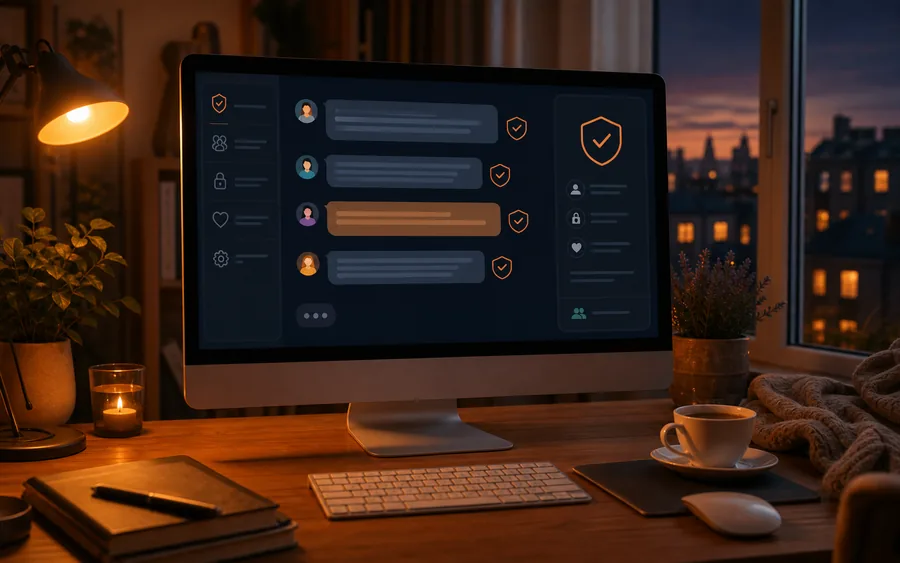
Safe moderated chat room environment for dementia carer support online

Not all online chat rooms provide the same level of safety and support. Finding the right community matters for your wellbeing and peace of mind. Several key features distinguish quality support spaces from potentially harmful ones.

Active Moderation

Quality chat rooms have active moderators who maintain a respectful environment. These moderators remove inappropriate content quickly. They ensure conversations stay supportive and on topic.

Moderators also watch for people trying to exploit vulnerable carers. Scammers sometimes target support groups. Good moderation protects community members from these predatory behaviors.

Clear Rules and Guidelines

Effective chat rooms establish clear community rules from the start. These guidelines set expectations for respectful communication. They outline what topics are appropriate and which behaviors will not be tolerated.

Understanding these rules helps you know what to expect. You can participate confidently knowing the community maintains certain standards. This structure creates a safer space for everyone involved.

Learn more about staying safe in online chat rooms and review our community guidelines before joining.

Important Safety Reminder: Never share personal information like your full name, address, or financial details in chat rooms. Legitimate support communities will never ask for this information.

Active Community Participation

The best chat rooms have regular active members. An engaged community means you will find support when you visit. Empty or rarely used chat rooms offer limited value for carers seeking connection.

Look for spaces where multiple people participate regularly. This activity level ensures someone will likely be available when you need to talk. It also creates diverse perspectives and experiences to learn from.

Active online community members supporting each other in dementia carer chat forum

Privacy Protections

Quality platforms protect your privacy carefully. They should explain clearly how they handle your data. Good chat rooms allow anonymous participation without requiring excessive personal details.

Check whether the platform sells user information to third parties. The best support communities prioritize member privacy over commercial interests. This protection matters when discussing sensitive health and family issues.

Support for Dementia Carers vs General Senior Chat

Difference between dementia carer support and general senior chat rooms online

Understanding the difference between carer support chat rooms and general senior chat spaces helps you find the right fit for your needs. While both offer online community, they serve distinctly different purposes.

Social Connection vs Emotional Support

General senior chat rooms focus primarily on social connection. People gather to discuss hobbies, share stories, and make friends. The atmosphere tends toward lighter conversation and companionship.

Dementia carer support chat rooms center on emotional sharing and coping strategies. Participants discuss challenges specific to caring. They exchange practical advice about managing difficult situations. The tone acknowledges the serious emotional weight carers carry.

Shared Experience Matters

In carer-specific spaces, everyone understands the unique pressures of dementia care. This shared context creates deeper connection and more relevant support. You do not need to explain basic challenges or justify your feelings.

General senior chat may include some carers, but most participants have different concerns. The advice and support offered may not address your specific situation. Conversations drift toward topics less relevant to your daily reality.

If you are looking for broader social interaction alongside carer support, explore our senior chat rooms for lighter conversation.

Dementia Carer Chat Focus

  • Coping with behavioral changes
  • Managing caregiver stress and burnout
  • Discussing progression and future planning
  • Sharing emotional challenges
  • Exchanging practical care tips
  • Finding validation for difficult feelings

General Senior Chat Focus

  • Hobbies and personal interests
  • Travel and leisure activities
  • Current events discussion
  • Making new friendships
  • Sharing life stories
  • Light entertainment and humor

Finding Your Community

Some carers benefit from participating in both types of chat rooms. Carer support spaces address your specific challenges. General social chat offers mental breaks and reminds you of life beyond caring responsibilities.

The key is knowing which space serves which need. When you need understanding about care struggles, carer-specific forums provide better support. When you want to think about something else entirely, broader social chat offers welcome distraction.

When You Need a Break – Not Medical Advice

Understanding chat room support is not medical advice for dementia care

Chat rooms serve an important purpose in carer support, but understanding their limitations matters equally. These online communities offer connection and emotional support. They do not replace professional medical guidance.

What Chat Rooms Provide

Support chat rooms excel at providing emotional validation and shared experiences. Other carers offer empathy based on their own journeys. This peer support helps you feel less alone during difficult times.

Participants often share practical tips they have learned through experience. These insights can be valuable for managing daily challenges. However, every situation differs. What works for one person may not suit another.

When to Seek Professional Help

Medical questions require professional medical advice. Changes in symptoms, medication concerns, or health emergencies need proper clinical assessment. Chat room members cannot diagnose conditions or prescribe treatments.

Mental health concerns also warrant professional support. If you experience persistent depression, anxiety, or thoughts of self-harm, contact a healthcare provider. Chat rooms complement professional treatment but cannot replace it.

Seek Professional Help For: New or worsening symptoms in the person you care for, medication questions or side effects, mental health concerns including depression or anxiety, legal or financial advice about care planning, or medical emergencies requiring immediate attention.

The Value of Conversation

Chat rooms shine when you need human connection during lonely moments. They provide a safe space to express frustration without judgment. Other carers understand the complex emotions that come with this role.

This emotional outlet protects your mental wellbeing. Bottling up feelings increases stress and isolation. Sharing with people who understand creates relief that family and friends sometimes cannot provide.

Balanced approach combining chat room support with professional medical care for carers

Combining Support Systems

The most effective approach combines multiple support sources. Professional healthcare providers address medical needs. Therapists or counselors support your mental health. Chat rooms offer day-to-day emotional connection and understanding.

Each element serves different needs in your support network. Using chat rooms alongside professional services creates a comprehensive support system. Neither replaces the other. Together they provide more complete care for carers.

Join a Live Support Chat Today

Join dementia carer support chat room community for connection and understanding

If you are caring for someone with dementia and feeling alone, you do not have to carry this weight by yourself. Thousands of other carers face similar challenges every single day. Many have found genuine connection and support through online chat communities.

Moderated chat spaces provide a safe environment to share your experiences. You can talk about the hard moments without judgment. Other carers offer understanding based on their own journeys. This connection makes a real difference.

Taking the First Step

Starting in a new online community may feel uncertain at first. You might wonder whether you will fit in or if sharing feels comfortable. Most carers feel this way initially. The welcoming nature of these communities quickly puts new members at ease.

You can begin by simply reading conversations. See how others interact and what topics get discussed. Join in when you feel ready. There is no pressure to share immediately. Moving at your own pace is perfectly acceptable.

Connect With Others Who Understand

Our community of dementia carers provides support when you need it most. Join conversations day or night. Share your experiences in a safe, moderated space where people truly understand what caring involves.

Finding Your Voice

Every carer brings valuable perspective to the community. Your experiences matter, whether you are new to caring or have been doing it for years. The challenges you face help others feel less alone too.

Chat rooms work best when members both give and receive support. You might arrive seeking help one day. Another day you might offer encouragement to someone else struggling. This mutual exchange strengthens the entire community.

The connections you build online can provide lasting support throughout your caring journey. Many carers form genuine friendships through these communities. These relationships offer consistent understanding as situations evolve and change.

Carers finding support and reducing isolation through online dementia support chat rooms

Caring for someone with dementia presents unique challenges that few people understand. Isolation compounds the stress and emotional burden. Online chat rooms offer a lifeline when traditional support falls short.

These communities cannot solve every problem or replace professional help. What they do provide is genuine human connection. Understanding from people who walk a similar path. Support available whenever you need it most.

You deserve support during this demanding time. Reaching out to others who understand is not weakness. It is strength and wisdom. Taking care of yourself helps you provide better care for the person who depends on you.