

-
 By Derek Duckworth
- March 14, 2026
- 0 Comments
- Chat Room News
What Is a Chat Room? A Simple Guide
Ever wondered how people connected online before Facebook and Instagram took over? Chat rooms were the original social networks. They remain popular today for people seeking real conversations without the pressure of perfect profiles or endless scrolling.
- How chat rooms work
- Who uses them today
- Staying safe online
This guide explains what chat rooms are in simple terms. You’ll learn how they work, who uses them, and whether they’re still worth your time in 2025. We’ll cover everything from basic concepts to staying safe whilst chatting with strangers online.
Whether you’re looking for friends, support, or just curious about this corner of the internet, you’ll understand chat rooms by the end of this article.
What Is a Chat Room?
A chat room is a digital space where people talk to each other in real time using text messages. Think of it as a virtual room where multiple people can have conversations simultaneously.
The key difference from social media is immediacy. When you type a message in a chat room, everyone currently in that room sees it instantly. There’s no algorithm deciding who sees what. No likes or followers. Just real people having real conversations as they happen.

Most chat rooms let you choose a username without revealing your real identity. You can join conversations, ask questions, share opinions, or simply read what others are saying. Some rooms focus on specific topics like gaming or mental health. Others are general spaces where any subject goes.
The beauty of chat rooms lies in their simplicity. You don’t need to build a profile, collect friends, or worry about your post history. You just show up, chat, and leave when you’re done.
A Brief History
Chat rooms started in the 1970s with basic computer networks. Early systems like Talkomatic let university researchers exchange messages in real time. These primitive chat rooms could only handle a few people at once.
The 1990s brought chat rooms to ordinary people. Services like AOL Instant Messenger and Yahoo Chat became wildly popular. Millions logged on each evening to meet strangers and make friends. Chat rooms were often the highlight of being online.

Social media platforms like Facebook arrived in the mid-2000s and changed everything. People shifted toward profiles, photos, and permanent posts. Many predicted chat rooms would disappear entirely.
Yet chat rooms survived and evolved. They found new purposes. People seeking anonymous support, niche interests, or real-time conversation still prefer chat rooms over social media. The format adapted but the core appeal remained unchanged.
Modern platforms have expanded far beyond text. The rise of webcam chat rooms added facial expressions and visual cues back into digital conversations, changing how people interpret silence or engagement online.
How Do Chat Rooms Work?
Understanding how chat rooms function doesn’t require technical knowledge. The process is straightforward and user-friendly for everyone.
Joining a Room
Most chat rooms work through your web browser. You visit a website, choose a room that interests you, and pick a username. Some sites require registration whilst others let you start chatting immediately.
Free chat rooms typically don’t ask for payment or personal details. You simply choose your display name and enter the room. This low barrier makes chat rooms accessible to anyone with internet access.
Sending Messages
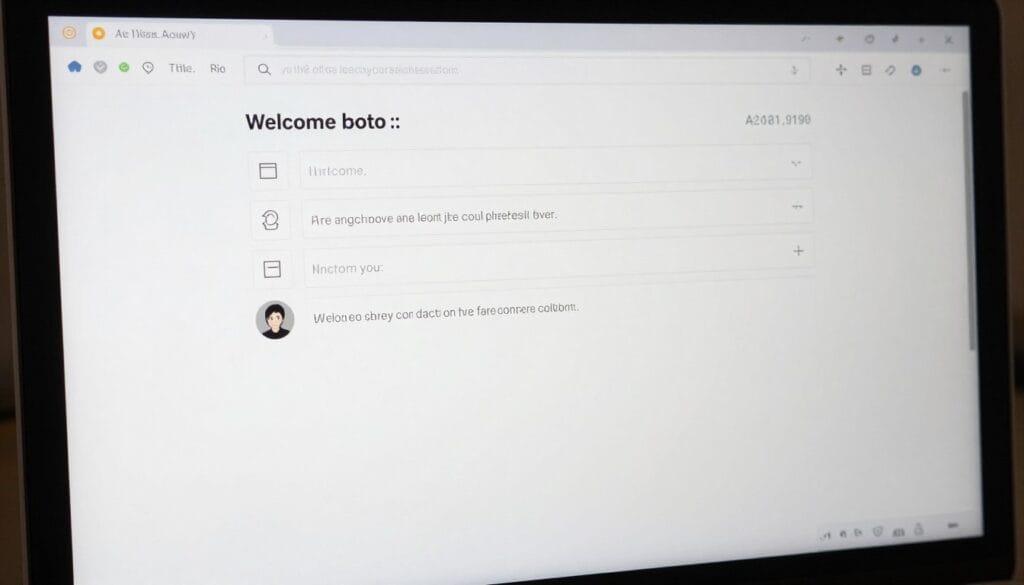
Once inside, you’ll see a message box where other people’s comments appear in chronological order. Type your message at the bottom and press enter. Your words appear instantly for everyone in the room to read.
Messages scroll upward as new ones arrive. Active rooms can move quickly with dozens of people talking at once. Quieter rooms let you follow conversations more easily. You control how much or how little you participate.
Features and Tools
Most modern chat rooms offer extra features beyond basic text. You might find private messaging to talk one-on-one with someone. Voice chat lets you speak instead of type. Some rooms include file sharing or video capabilities.
Moderators often keep order in busy rooms. They can remove disruptive users or enforce room rules. This helps maintain a pleasant environment where genuine conversation can happen.
Types of Chat Rooms
Chat rooms come in countless varieties to suit different interests and needs. Understanding the main categories helps you find the right place for your conversations.

General Chat Rooms
General chat rooms welcome any topic of conversation. People discuss current events, share stories, or simply make small talk. These rooms attract diverse crowds looking for casual interaction without specific agenda.
The relaxed atmosphere makes general rooms perfect for newcomers. You can observe conversations before joining in. Topics shift naturally as different people contribute their thoughts and experiences.
Topic-Based Chat Rooms
Specialized rooms focus on particular interests or subjects. Gaming chat rooms connect players of specific games or gaming enthusiasts generally. Dating chat rooms help people meet potential romantic partners. Regional rooms unite people from specific cities or countries.
Topic-based rooms let you find like-minded people quickly. If you’re passionate about a subject, these focused spaces offer deeper conversations than general rooms provide. The shared interest creates instant common ground with other participants.
Find Your Community: Whether you’re looking for local connections like Newcastle chat rooms or Bradford chat rooms, topic-specific spaces help you connect with people who share your interests or location.
Public vs Private Rooms
Public chat rooms allow anyone to join freely. You’ll find the largest crowds and most diverse conversations in public spaces. These rooms move quickly with constant new participants arriving and leaving.
Private chat rooms require invitation or password access. Friends can create private rooms for group conversations away from strangers. Some communities use private rooms for members who’ve proven themselves trustworthy in public spaces first.
The choice between public and private depends on what you seek. Public rooms offer excitement and variety. Private rooms provide intimacy and control over who participates.
Who Uses Chat Rooms and Why?
Chat rooms attract people from all backgrounds and age groups. Their users share common needs that traditional social media doesn’t always fulfill.

Combating Loneliness
Many people turn to chat rooms when feeling isolated or lonely. The ability to connect with others instantly provides comfort. You don’t need existing friends or followers to start a conversation.
Social connection through chat rooms feels less pressured than social media. There’s no performance anxiety about likes or appearance. You can be yourself without judgment based on your profile or photos.
For those struggling with mental health, specialized spaces offer understanding and support. Depression and anxiety chat rooms provide safe environments where people share experiences and coping strategies with others who truly understand their challenges.
Shared Interests and Hobbies
Enthusiasts use chat rooms to discuss their passions in depth. Whether it’s vintage cars, knitting, or science fiction, niche chat rooms connect people who share specific interests that friends and family might not understand.
These communities often develop expertise and knowledge sharing. Beginners learn from experienced members. Veterans enjoy teaching newcomers and discussing advanced topics with peers at similar skill levels.
Meeting New People and Making Friends
Chat rooms excel at introducing people who’d never cross paths otherwise. Geography doesn’t limit who you can meet. Time zones matter less since rooms stay active around the clock.
The anonymous nature lets people be more open than they might be face-to-face. Friendships often develop naturally through repeated conversations over weeks or months. Some online friendships eventually move to real-world meetings or long-term connections.
New friends made in chat rooms frequently become genuine relationships. The shared experiences and conversations create bonds similar to workplace friendships or club memberships.
Are Chat Rooms Safe?
Safety in chat rooms requires awareness and sensible precautions. Understanding the risks helps you protect yourself whilst enjoying conversations.

Common Risks
Strangers in chat rooms might not be who they claim to be. Some users lie about age, gender, or intentions. Scammers occasionally try to extract money or personal information through friendship or romance scams.
Inappropriate content sometimes appears in unmoderated rooms. This includes explicit language, harassment, or attempts to share illegal material. Younger users face particular risks from adults with bad intentions.
Privacy breaches can occur if you share too much personal information. Details like your full name, address, workplace, or school can be pieced together by determined individuals to identify you offline.
Staying Safe in Chat Rooms
Never share personal identifying information in chat rooms. Keep conversations general without revealing your location, real name, or contact details. Use a username completely unrelated to your real identity.
Trust your instincts about people and conversations. If someone makes you uncomfortable or pressures you for information, leave the conversation. Block users who harass you or behave inappropriately.
Choose moderated chat rooms when possible. Active moderators remove troublesome users and enforce community rules. This creates safer environments, especially important for vulnerable users seeking support.
The way people interact online is also being shaped by regulation. Discussions around the UK Online Safety Act and the real costs for small communities show how moderation and safety rules increasingly influence how chat rooms operate.
Safety First: Remember that legitimate chat rooms never ask for payment details, passwords, or sensitive personal information. Be especially cautious of anyone suggesting you move conversations to less secure platforms.
Parents should supervise children’s chat room use. Consider age-appropriate platforms with strong moderation. Discuss online safety openly so children feel comfortable reporting concerning interactions.
Chat Rooms vs Social Media
Chat rooms and social media both connect people online, yet they offer fundamentally different experiences. Understanding these differences helps you choose the right platform for your needs.

Anonymity and Privacy
Chat rooms typically allow complete anonymity. You control what you reveal about yourself. Social media platforms encourage real identities, photos, and detailed profiles. This fundamental difference shapes how people behave and interact.
The anonymous nature of chat rooms frees people to discuss sensitive topics without fear of judgment from people who know them. Social media’s permanent record makes users more cautious about what they share publicly.
Conversation Style and Pace
Chat room conversations happen in real time with immediate back-and-forth exchanges. Social media relies on posts and comments that unfold over hours or days. The live nature of chat rooms creates different social dynamics.
In chat rooms, conversations flow naturally like in-person discussions. Social media interactions feel more performative with users crafting perfect responses. The spontaneity of chat rooms appeals to people tired of curated content.
Content and Focus
Social media emphasizes visual content, personal updates, and broadcasting to followers. Chat rooms focus purely on conversation and connection. There’s no news feed algorithm deciding what you see.
Chat rooms foster genuine dialogue rather than one-way broadcasting. You engage directly with present participants instead of posting to an audience. This creates more authentic exchanges for many users.
Why Some Prefer Chat Rooms
People choose chat rooms over social media for various reasons. The absence of likes, shares, and follower counts removes competitive pressure. You participate for conversation itself, not social validation.
Chat rooms offer escape from the permanent nature of social media. Messages disappear when you leave, without creating lasting digital footprints. This ephemeral quality provides freedom to explore ideas without long-term consequences.
The focused community aspect attracts users seeking deeper connections. Instead of maintaining hundreds of casual social media contacts, chat room regulars develop meaningful relationships with fellow participants who share specific interests.
Finding Your Community
Chat rooms serve diverse communities with specific needs and interests. Finding the right space makes all the difference in your experience.

Cultural and Identity-Based Rooms
Many chat rooms cater to specific cultural communities where people share heritage, language, or experiences. These spaces provide cultural connection that mainstream platforms don’t always offer.
Black chat rooms create spaces for community conversations online where cultural context is understood without explanation. Similarly, rooms focused on various ethnic, religious, or identity groups offer belonging and shared understanding.
Language Practice and Learning
Language learners use chat rooms to practice with native speakers in real-time conversation. This practical application helps develop fluency better than textbooks alone.
English chat rooms let non-native speakers practice speaking with others in supportive environments. Mistakes are learning opportunities rather than embarrassments. The immediate feedback improves language skills quickly.
Support and Mental Health
Specialized support rooms provide crucial connections for people facing difficult challenges. The combination of anonymity and understanding creates safe spaces to share struggles and receive encouragement.
These communities often develop strong bonds as members support each other through ongoing challenges. Regular participants become familiar faces who understand your journey without judgment.
Conclusion
Chat rooms remain valuable spaces for genuine human connection in our digital age. They offer something different from social media: real-time conversation without performance pressure, anonymity when you need it, and communities built around shared interests rather than follower counts.

From their origins in the 1970s to modern platforms with voice and video capabilities, chat rooms have evolved whilst maintaining their core appeal. They connect lonely people, unite enthusiasts, support struggling individuals, and introduce friends who might never otherwise meet.
Safety requires awareness, but sensible precautions make chat rooms as safe as any online space. Choose moderated rooms, protect your privacy, and trust your instincts about people and situations.
Are chat rooms still worth using today? Absolutely. For anyone seeking authentic conversation, anonymous support, or communities that understand their interests, chat rooms offer something social media simply cannot replicate. The question isn’t whether chat rooms are relevant, but rather which room is right for you.
Explore Chat Room Communities
Now that you understand what chat rooms are and how they work, you might want to explore specific communities that match your interests. From mental health support to regional connections and language practice, there’s a chat room for almost every need.
Related Resources
Support Communities
Find understanding and connection in communities focused on mental health and wellbeing.
Regional Connections
Connect with people from your local area or region across the UK.
Cultural Communities
Join conversations within specific cultural communities online.
Language & Learning
Practice languages and improve communication skills through conversation.
